Buying guides
Does Argan Oil Expire? Shelf Life, Signs of Rancidity & Storage Guide
Does argan oil go bad or expire? Discover how long pure cosmetic argan oil lasts, how to spot rancid oil by smell and color, and proper storage tips.
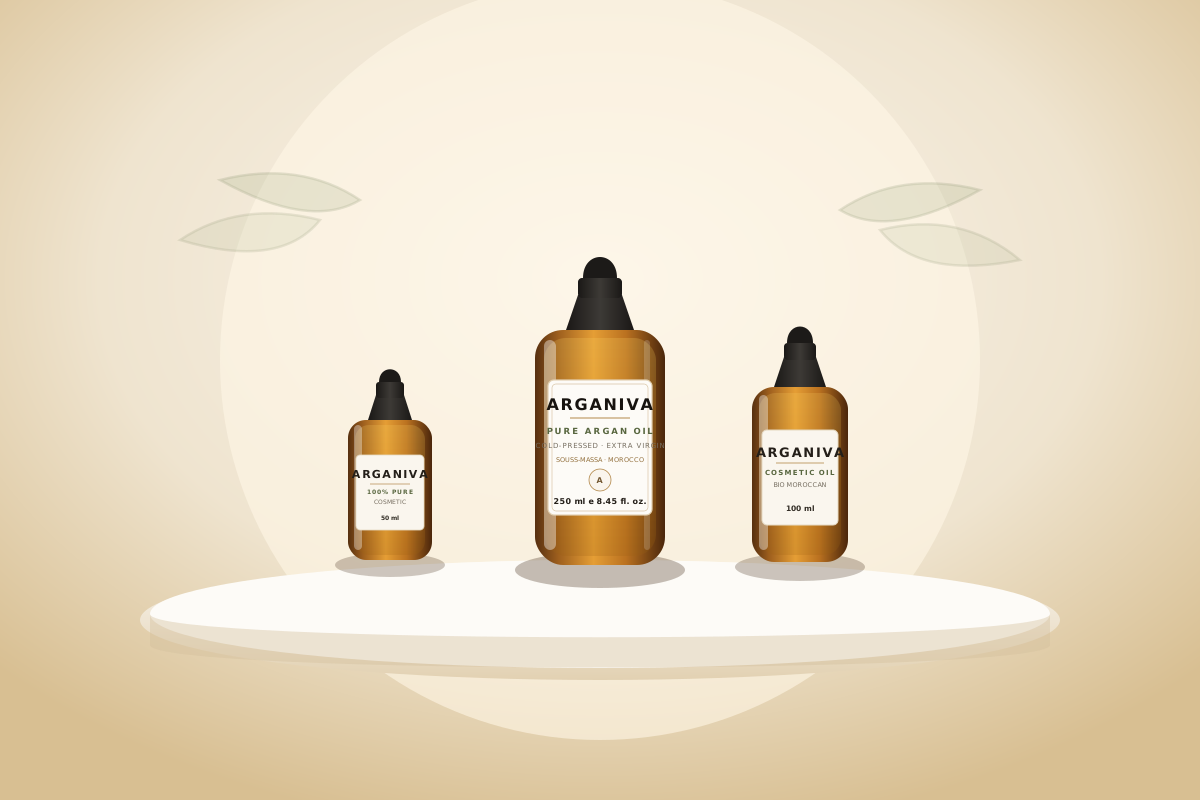
Does Argan Oil Expire? The Complete Guide to Shelf Life & Freshness
If you found an open bottle of argan oil in your bathroom cabinet or vanity and noticed it has been sitting there for months (or years), you are probably asking yourself: “Does argan oil expire, or is it still safe to use on my face and hair?”
The short answer is: Yes, pure Moroccan argan oil does expire.
Because pure cosmetic argan oil is a 100% natural botanical lipid extract containing zero synthetic chemical preservatives, its fatty acids will eventually oxidize over time.
- An unopened bottle of pure, cold-pressed argan oil has a shelf life of 18 to 24 months from its pressing date.
- An opened bottle exposed to oxygen and daily use is best used within 6 to 12 months for maximum antioxidant efficacy.
Using fresh argan oil delivers deep hydration, rich Vitamin E defense, and silky shine. Using expired or rancid argan oil, however, can expose your skin to inflammatory free radicals and leave your hair feeling sticky and dull.
This comprehensive guide explains the science of oil oxidation, teaches you the 3-step sensory test for detecting rancidity, and provides professional storage guidelines to maximize the lifespan of your Moroccan liquid gold.
Quick Reference: Argan Oil Shelf Life Matrix
| Product State | Estimated Shelf Life | Storage Condition |
|---|---|---|
| Unopened in Amber Glass | 18 to 24 Months | Cool, dark pantry or bedroom cabinet (15°C–22°C / 59°F–72°F) |
| Opened Bottle (Daily Use) | 6 to 12 Months | Cap tightly sealed; away from steamy showers and direct sun |
| Clear Plastic Bottle (Low Quality) | 3 to 6 Months | Highly vulnerable to UV light and oxygen penetration |
| Culinary Roasted Argan Oil | 12 to 18 Months | Cool, dark pantry; consume fresh for peak nutty flavor |
1. The Science of Oil Oxidation: Why Botanical Oils Go Bad
To understand why and how argan oil expires, you must understand the biochemical process of lipid oxidation.
                    ┌─────────────────────────┐
                    │    THE OXIDATION TRIAD  │
                    │  (What Degrades Oil)    │
                    └────────────┬────────────┘
                                 │
         ┌───────────────────────┼───────────────────────┐
         ▼                       ▼                       ▼
┌─────────────────┐     ┌─────────────────┐     ┌─────────────────┐
│     OXYGEN      │     │    UV LIGHT     │     │      HEAT       │
├─────────────────┤     ├─────────────────┤     ├─────────────────┤
│ Atmospheric O2  │     │ Photons break   │     │ Accelerates the │
│ binds to double │     │ covalent bonds  │     │ kinetic rate of │
│ bonds in lipids │     │ in fatty acids  │     │ chemical decay  │
└─────────────────┘     └─────────────────┘     └─────────────────┘
How Rancidity Happens
Argan oil is composed primarily of unsaturated fatty acids:
- Oleic Acid (Omega-9): Monounsaturated (~43–49%)
- Linoleic Acid (Omega-6): Polyunsaturated (~29–36%)
Unsaturated fatty acids contain double chemical bonds between carbon atoms. When argan oil is exposed to oxygen (air), ultraviolet light, or elevated temperatures, these double bonds react with oxygen molecules in a chain reaction called auto-oxidation.
During auto-oxidation:
- Primary oxidation products called lipid peroxides and hydroperoxides are formed.
- These unstable peroxides break down into secondary volatile compounds, including aldehydes, ketones, and short-chain organic acids.
- These secondary breakdown products are what produce the sour, pungent, paint-like smell of rancid oil.
Why Pure Argan Oil Lasts Longer than Most Plant Oils
Some plant oils (such as rosehip seed oil, flaxseed oil, or hemp seed oil) go rancid within 3 to 6 months because they are dominated by fragile polyunsaturated Omega-3 fatty acids.
Argan oil is naturally fortified against oxidation for two major reasons:
- Balanced Oleic-Linoleic Profile: It contains a high proportion of stable, monounsaturated oleic acid (Omega-9), which is far more resistant to oxidative breakdown than polyunsaturated oils.
- Gigantic Vitamin E Reserves: Pure cosmetic argan oil is packed with 600 to 700 mg/kg of active tocopherols (natural Vitamin E). Vitamin E is nature’s most powerful lipid-soluble antioxidant—it sacrifices itself by neutralizing incoming free radicals before they can attack the fatty acid chains, extending the oil’s natural lifespan up to 2 full years.
2. The 3-Step Sensory Test: How to Tell if Your Argan Oil Is Rancid
You do not need a laboratory to test if your argan oil is still fresh. Use your senses with the Smell, Look, and Feel Test:
┌────────────────────────────────────────────────────────────────────────┐
│                   THE 3-STEP ARGAN OIL FRESHNESS TEST                  │
├────────────────────────────────────────────────────────────────────────┤
│ 1. THE SMELL TEST (Most Reliable):                                     │
│ • **Fresh**: Very subtle, faint earthy-nutty aroma that fades quickly. │
│ • **Rancid**: Pungent, sour, vinegary, metallic, or like old crayon.   │
├────────────────────────────────────────────────────────────────────────┤
│ 2. THE COLOR & CLARITY TEST:                                           │
│ • **Fresh**: Clear, luminous golden-yellow hue with zero murkiness.    │
│ • **Rancid**: Darkened brown, oxidized orange, or cloudy with sludge.  │
├────────────────────────────────────────────────────────────────────────┤
│ 3. THE TEXTURE & ABSORPTION TEST:                                      │
│ • **Fresh**: Silky, smooth glide; absorbs into skin within 3–5 min.    │
│ • **Rancid**: Sticky, tacky, sits on surface, feels heavy and greasy.  │
└────────────────────────────────────────────────────────────────────────┘
1. The Smell Test (The Definitive Indicator)
- What Fresh Cosmetic Argan Oil Smells Like: Authentic, cold-pressed cosmetic argan oil has a very mild, raw, earthy-nutty scent. Because it is pressed from raw (unroasted) kernels, the scent is discreet and dissipates completely within a few minutes of skin absorption. (If an oil smells intensely of perfumed flowers, it is full of synthetic fragrance. If it smells strongly of toasted hazelnut, it is culinary oil meant for salads and bread, not cosmetic use).
- What Expired Rancid Argan Oil Smells Like: When the fatty acids break down into volatile aldehydes, the oil develops a distinct, unpleasant odor. It smells sour, rancid, bitter, metallic, like stale frying oil, or like an old box of crayons. If your oil smells sour or “off,” it has oxidized and should be discarded.
2. The Color and Clarity Test
- Fresh Argan Oil: Holds a bright, clear, light-golden amber color. In cold weather (below 10°C / 50°F), small natural sediment or cloudiness may appear as natural plant waxes solidify—this is completely normal and clears as the bottle warms to room temperature.
- Expired Argan Oil: Shows a noticeable shift toward dark, muddy brown or permanent murky cloudiness that does not clear at room temperature.
3. The Texture and Absorption Test
- Fresh Argan Oil: Drops smoothly from the pipette, glides like liquid silk between your palms, and absorbs deeply into the skin without leaving a tacky, sticky residue.
- Expired Argan Oil: Feels viscous, sticky, and tacky on the skin. It fails to absorb, leaving a greasy, suffocating film on your face or hair.
3. What Happens if You Use Expired Argan Oil?
Using expired argan oil will not send you to the emergency room, but it completely reverses the beneficial effects of the oil:
┌──────────────────────────────────────┬────────────────────────────────┐
│ BENEFIT OF FRESH ARGAN OIL           │ EFFECT OF EXPIRED RANCID OIL   │
├──────────────────────────────────────┼────────────────────────────────┤
│ ✓ Neutralizes environmental free     │ ✗ Generates pro-inflammatory   │
│   radicals with rich Vitamin E       │   free radicals across skin    │
│ ✓ Restores & soothes moisture barrier│ ✗ Irritates skin, causes redness│
│ ✓ Non-comedogenic (0 pore clogging)  │ ✗ Oxidized lipids clog pores   │
│ ✓ Smoothes cuticle for mirror shine  │ ✗ Leaves hair sticky & dull    │
└──────────────────────────────────────┴────────────────────────────────┘- Free Radical Damage: The lipid peroxides in rancid oil accelerate oxidative stress on your skin cells, promoting premature aging, collagen breakdown, and fine lines.
- Pore Congestion & Breakouts: While fresh argan oil has a 0 comedogenic rating, oxidized fatty acids are highly comedogenic and can trigger inflammatory acne flare-ups.
- Contact Dermatitis & Redness: The acidic breakdown products in rancid oil can cause itching, burning, and contact dermatitis on sensitive or rosacea-prone complexions.
4. How to Store Argan Oil to Maximize Its Shelf Life
To ensure your bottle of pure Moroccan argan oil stays fresh, active, and potent for up to 2 full years, follow these four professional storage rules:
┌────────────────────────────────────────────────────────────────────────┐
│                   THE 4 GOLDEN RULES OF ARGAN STORAGE                  │
├────────────────────────────────────────────────────────────────────────┤
│ RULE 1: DARK AMBER GLASS ──► Never buy or store in clear plastic.      │
│ RULE 2: TIGHT CAP SEAL   ──► Eliminate continuous air/oxygen exposure. │
│ RULE 3: COOL & DARK ROOM ──► Keep in a bedroom drawer, cabinet, pantry.│
│ RULE 4: AVOID BATH STEAM ──► Keep away from hot, humid shower steam.   │
└────────────────────────────────────────────────────────────────────────┘
Rule 1: Always Keep It in Dark Amber Glass
Ultraviolet (UV) rays from sunlight and artificial room lighting break down the natural antioxidants and double bonds in argan oil within weeks. High-grade cosmetic argan oil should always be packaged in dark amber, cobalt blue, or violet glass bottles, which filter out harmful light wavelengths.
Rule 2: Keep Away from Bathroom Humidity
Most people instinctively store their skincare and hair oils on a shelf in the bathroom. However, repeated exposure to hot, humid shower steam and fluctuating temperatures degrades botanical oils rapidly. Store your argan oil in a cool, dry bedroom vanity, closet, or medicine cabinet away from heat and moisture.
Rule 3: Seal the Dropper Tightly
Every time you open the bottle, atmospheric oxygen enters. Always screw the pipette cap down firmly immediately after dispensing your drops to minimize oxygen exchange.
Rule 4: Do You Need to Refrigerate Argan Oil?
No, refrigeration is not required. Because of argan oil’s high natural tocopherol concentration and balanced fatty acid profile, it remains exceptionally stable at standard room temperatures (15°C to 22°C / 59°F to 72°F). If you live in an extremely hot, tropical climate without air conditioning (temperatures regularly exceeding 30°C / 86°F), keeping backup bottles in the refrigerator will extend their shelf life.
5. Cosmetic vs. Culinary Argan Oil Shelf Life
It is important to remember that cosmetic argan oil and culinary argan oil have different shelf life profiles due to how they are processed:
┌──────────────────────────────────────┬────────────────────────────────┐
│ COSMETIC ARGAN OIL                   │ CULINARY ARGAN OIL             │
├──────────────────────────────────────┼────────────────────────────────┤
│ • Pressed from **raw, unroasted**    │ • Pressed from **gently roasted│
│   argan kernels                      │   kernels** for gourmet food   │
│ • Shelf Life: **18 to 24 Months**    │ • Shelf Life: **12 to 18 Months│
│ • Unbroken, intact Vitamin E levels  │ • Distinct toasted nutty scent │
│ • For Face, Hair, Nails & Skin       │ • For Dipping, Couscous, Amlou │
└──────────────────────────────────────┴────────────────────────────────┘
Culinary argan oil is pressed from kernels that are gently roasted over an open fire to develop its signature toasted-hazelnut aroma and amber-red hue. Because roasting subjects the kernels to initial heat, culinary oil has a slightly shorter shelf life (12 to 18 months) and should be consumed fresh to enjoy its rich gourmet flavor.
The Verdict: Freshness Starts with Ethical Sourcing
The single most effective way to ensure your argan oil lasts for its full 2-year lifespan is to buy fresh, authentic, single-origin oil from a reputable producer.
Industrial commercial brands often warehouse mass-produced argan oil in drums for years before diluting it with silicones, artificial fragrances, and mineral oils for retail distribution. By the time it reaches your hands, the precious antioxidants have already begun to degrade.
At ARGANIVA, our argan oil is harvested from the native argan forests of Morocco’s Souss-Massa region, cold-pressed fresh in small batches by local women’s cooperatives, and bottled immediately in premium dark amber glass—delivering maximum botanical freshness, potency, and shelf life straight to your door.
Frequently Asked Questions
Can I use expired argan oil on my wooden furniture or leather boots?
Yes! If your argan oil has passed its prime and smells slightly stale (but not horribly rotten), do not pour it down the drain. It makes a fantastic natural wood polish, leather conditioner for boots and belts, or squeaky door hinge lubricant.
What should I do if my argan oil arrived cloudy or with sediment?
In cooler temperatures (during winter shipping or in air-conditioned rooms), pure, unrefined argan oil naturally solidifies and can look cloudy or form small wax flakes. Place the bottle in a warm room for 30 minutes or run warm water over the outside of the glass; it will return to a crystal-clear liquid. This is actually a sign of authentic, unrefined purity, not spoilage.
How long does a 50ml or 100ml bottle of argan oil last with daily use?
- A 50ml bottle (approx. 1,000 drops) used at 3 drops per day on the face lasts 8 to 10 months.
- A 100ml bottle (approx. 2,000 drops) used daily for both face and hair ends lasts 6 to 8 months. At normal usage rates, you will finish your bottle long before it approaches its 18 to 24-month expiration date.
Does argan oil with added essential oils expire faster?
Yes. If you mix essential oils (like rosemary, lavender, or tea tree) into your argan carrier oil, the volatile nature of the essential oils accelerates the oxidation process. DIY blends should ideally be used within 3 to 6 months of mixing.
Frequently asked questions
Does pure argan oil expire?
Yes. Pure, unadulterated cold-pressed argan oil is a natural botanical product that eventually expires. An unopened bottle of high-quality cosmetic argan oil has a shelf life of approximately 18 to 24 months from the press date. Once opened, it is best used within 6 to 12 months for peak antioxidant potency.
How can you tell if argan oil has gone bad or rancid?
You can tell through 3 primary sensory checks: 1) Smell: Fresh cosmetic argan oil has a faint, subtle nutty aroma; rancid oil smells sharply sour, acidic, or like old vegetable frying oil; 2) Color: Fresh oil is a clear golden-yellow; oxidized oil darkens to a murky brown or turns cloudy; 3) Texture: Rancid oil feels sticky, tacky, and absorbs poorly into the skin.
Is it dangerous to use expired argan oil?
While expired argan oil is unlikely to cause serious medical harm, oxidized fatty acids produce free radicals that can irritate the skin barrier, clog pores, cause redness, and strip hair of its natural shine. It is best to discard rancid oil.
Should argan oil be kept in the refrigerator?
Refrigeration is not necessary for pure argan oil because its natural vitamin E reserves and balanced oleic-linoleic fatty acid matrix give it high oxidative stability at room temperature. Simply store it in a cool, dark cabinet away from direct sunlight, humidity, and heat sources (like radiators or bathroom steam).
Why does pure argan oil come in dark amber glass bottles?
Ultraviolet (UV) light rays break down the natural tocopherols (Vitamin E) and unsaturated fatty acids in botanical oils, accelerating the oxidation and rancidity process. Amber or dark glass bottles block harmful UV wavelengths, preserving the oil's freshness and biological potency for up to 2 years.
Related products
Related articles
How to Choose Authentic Argan Oil
Argan oil is one of the more diluted products on the market. Here's a practical checklist for telling the real thing from a blend.
What Does Argan Oil Smell Like?
Argan oil's smell is one of the easiest and fastest ways to check what you're actually holding — if you know what to expect.
How to Use Argan Oil for Skin
Argan oil fits into a skincare routine in a few specific spots — face, body, and nails — and it's worth patch-testing before you commit to any of them.
The Complete Guide to Moroccan Argan Oil
One reference covering everything from what argan oil actually is to how to order it, whether you're shopping from abroad or standing in a Marrakech souk.