Moroccan beauty
Argan Oil vs Jojoba Oil: Which Is Better for Face, Hair & Scalp?
Compare argan oil vs jojoba oil for face, skin, hair, and scalp. Learn about wax esters vs plant lipids, comedogenic ratings, acne care, and how to combine them.
Argan Oil vs Jojoba Oil: The Ultimate Botanical Showdown
When searching for the ideal natural oil for facial care, hair hydration, or scalp health, argan oil and jojoba oil consistently occupy the top spots in dermatological and cosmetic recommendations. Both enjoy sterling reputations for being non-greasy, gentle on sensitive skin, and non-comedogenic.
Yet, despite their shared popularity, argan oil and jojoba oil belong to completely different chemical families.
Argan oil is a true triglyceride plant oil loaded with restorative fatty acids and concentrated vitamin E, while jojoba oil is technically a liquid wax ester that mirrors the molecular composition of human sebum.
This guide provides an in-depth comparison of argan oil versus jojoba oil across facial skincare, acne management, anti-aging, scalp balancing, and hair styling—helping you understand exactly when to use each, or how to blend them for maximum results.
Quick Comparison: Argan Oil vs Jojoba Oil
| Property | Pure Moroccan Argan Oil | Golden Jojoba Oil |
|---|---|---|
| Botanical Origin | Argania spinosa kernels (Souss-Massa, Morocco) | Simmondsia chinensis seeds (Sonoran Desert, Americas) |
| Chemical Structure | True Triglyceride Vegetable Oil | Monounsaturated Liquid Wax Ester |
| Comedogenic Rating | 0 / 5 (Non-Comedogenic) | 2 / 5 (Very Low Comedogenicity) |
| Skin Feel & Finish | Silky, nourishing, fast-absorbing soft cushion | Extremely light, matte/dry finish, dry-touch feel |
| Primary Active Components | Oleic Acid, Linoleic Acid, Vitamin E, Squalene | Gadoleic Acid (Eicosenoic), Erucic Acid, Wax Esters |
| Sebum Mimicry | High biocompatibility through balanced lipids | Direct molecular mimic of human sebum (97% match) |
| Vitamin E Content | Extremely Rich (~600–700 mg/kg) | Moderate / Low (~20–50 mg/kg) |
| Primary Strength | Deep barrier repair, anti-aging, elasticity, shine | Sebum regulation, dissolving oil plugs, scalp cleansing |
| Best For Hair | Mid-lengths, split ends, frizz defense, glossy shine | Scalp massage, clarifying follicles, low-porosity roots |
| Best For Face | Normal, dry, mature, sensitive, and combination skin | Very oily skin, blackhead-prone skin, makeup removal |
1. The Chemical Difference: Plant Oil vs. Liquid Wax Ester
To understand how these two botanicals interact with your skin and hair, you must examine their underlying biochemistry.
                    ┌─────────────────────────┐
                    │  BOTANICAL STRUCTURES   │
                    └────────────┬────────────┘
                                 │
         ┌───────────────────────┴───────────────────────┐
         ▼                                               ▼
┌─────────────────────────────────┐   ┌─────────────────────────────────┐
│     MOROCCAN ARGAN OIL          │   │        GOLDEN JOJOBA OIL        │
├─────────────────────────────────┤   ├─────────────────────────────────┤
│ • True Triglyceride Lipid       │   │ • Polyunsaturated Wax Ester     │
│ • Glycerol Backbone + 3 Fatty   │   │ • Long-chain Alcohol + Fatty    │
│   Acid Chains (Oleic/Linoleic)  │   │   Acid (Gadoleic/Erucic)        │
│ • Rich in Antioxidant Sterols   │   │ • Structurally identical to     │
│ • Emollient & Nutrient Delivery │   │   25% of human sebum            │
└─────────────────────────────────┘   └─────────────────────────────────┘
What Is Jojoba Oil? (The Sebum Doppelgänger)
Jojoba oil is extracted from the seeds of the jojoba shrub (Simmondsia chinensis), native to the southwestern United States and northwestern Mexico.
Unlike traditional plant oils that consist of fatty acids attached to a glycerol backbone (triglycerides), jojoba is composed of long-chain straight wax esters:
- Wax esters make up approximately 25% to 30% of human sebum—the protective oily film naturally produced by our sebaceous glands.
- Because jojoba’s molecular chain mimics human sebum almost perfectly, the skin recognizes it as its own natural oil.
- When applied topically, jojoba integrates into the skin’s lipid matrix instantly without triggering the heavy or suffocating feeling common with heavier oils.
What Is Argan Oil? (The Antioxidant Powerhouse)
Argan oil is cold-pressed from the kernels of the argan tree (Argania spinosa), which grows exclusively in the semi-arid Souss-Massa biosphere of southwestern Morocco.
Argan oil is a nutrient-dense triglyceride oil rich in:
- Oleic Acid (Omega-9, 43–49%): Delivers deep moisture, softness, and enhanced penetrative delivery for other active skincare ingredients.
- Linoleic Acid (Omega-6, 29–36%): An essential fatty acid that strengthens the intercellular lipid barrier, prevents transepidermal water loss (TEWL), and reduces inflammation.
- Tocopherols (Vitamin E): Argan oil boasts up to 700 mg/kg of active tocopherols, providing one of the highest natural concentrations of antioxidant defense found in the plant kingdom.
- CoQ10, Squalene & Polyphenols: Actively fight oxidative damage, enhance cellular repair, and improve dermal suppleness.
2. Argan Oil vs Jojoba Oil for the Face and Skin
Both oils are exceptional for the face, but they serve distinct skincare priorities.
                    ┌───────────────────────────────┐
                    │    WHICH OIL FOR YOUR FACE?   │
                    └───────────────┬───────────────┘
                                    │
         ┌──────────────────────────┴──────────────────────────┐
         ▼                                                     ▼
┌─────────────────────────────────┐   ┌─────────────────────────────────┐
│        CHOOSE ARGAN OIL         │   │        CHOOSE JOJOBA OIL        │
├─────────────────────────────────┤   ├─────────────────────────────────┤
│ • Dry, dehydrated, tight skin   │   │ • Excessively oily T-zones      │
│ • Mature skin & fine lines      │   │ • Persistent blackheads/pores   │
│ • Compromised moisture barrier  │   │ • First-step oil cleansing      │
│ • Post-acne marks & scarring    │   │ • Lightweight matte daytime wear│
│ • Sensitive / rosacea-prone     │   │ • Sensitive to any heaviness    │
└─────────────────────────────────┘   └─────────────────────────────────┘
1. For Oily Skin & Acne: Which Wins?
- Jojoba Oil (The Balancer): Jojoba is the gold standard for overactive sebaceous glands. Because it mimics human sebum, applying a few drops of jojoba oil sends a biochemical feedback signal to your sebaceous glands that the skin is already sufficiently lubricated. This helps down-regulate excess natural oil production. Furthermore, jojoba can penetrate into congested follicles and help dissolve hardened sebum plugs (comedones) and blackheads.
- Argan Oil (The Barrier Healer & Calmer): Argan oil has a comedogenic score of 0 (completely non-pore-clogging, compared to jojoba’s rating of 2). Acne-prone skin is medically recognized as being deficient in linoleic acid, which makes sebum sticky and thick. Argan oil replenishes linoleic acid, thinning sebum while its high vitamin E content reduces inflammatory redness and accelerates the healing of active breakouts without triggering new blemishes.
Verdict for Acne: If your primary struggle is extreme oiliness, blackheads, and congested pores, choose Jojoba Oil. If your concern is inflammatory acne, red blemishes, post-acne scarring, or sensitivity, choose Argan Oil.
2. For Dry, Dehydrated, and Mature Skin: Which Wins?
- Argan Oil is the clear winner for mature and dry skin. While jojoba forms a breathable surface shield, it does not supply the concentrated fatty acids and antioxidant sterols required to rebuild a compromised lipid barrier. Argan oil delivers deep structural nourishment, restores elasticity, and protects collagen fibers from free-radical degradation.
- Jojoba Oil provides soothing surface hydration, but very dry or mature skin may find that jojoba absorbs so completely that it leaves the skin wanting more emollience.
3. Under-Eye and Delicate Area Care
The skin under the eyes is the thinnest on the human body and contains virtually no oil glands.
- Argan Oil is superior for under-eye care. Its high concentration of vitamin E, ferulic acid, and plant squalene plumps fine lines, softens crow’s feet, and helps brighten under-eye shadows without migrating into the eyes.
3. Argan Oil vs Jojoba Oil for Hair & Scalp
When applied to hair and scalp, argan oil and jojoba oil address completely different stages of the hair shaft.
                    ┌───────────────────────────────┐
                    │    HAIR & SCALP STRATEGY      │
                    └───────────────┬───────────────┘
                                    │
         ┌──────────────────────────┴──────────────────────────┐
         ▼                                                     ▼
┌─────────────────────────────────┐   ┌─────────────────────────────────┐
│     SCALP & ROOTS: JOJOBA       │   │    LENGTHS & ENDS: ARGAN        │
├─────────────────────────────────┤   ├─────────────────────────────────┤
│ • Dissolves scalp sebum buildup │   │ • Seals lifted cuticles         │
│ • Unclogs hair follicle openings│   │ • Eliminates frizz & flyaways   │
│ • Balances dry or oily dandruff │   │ • Adds luminous reflective shine│
│ • Lightweight root hydration    │   │ • Heat & environmental buffer   │
└─────────────────────────────────┘   └─────────────────────────────────┘
Jojoba Oil for Scalp Health
Because of its wax-ester structure, jojoba oil excels on the scalp:
- Unclogs Follicles: Excess sebum, sweat, dead skin, and styling product residue can accumulate around hair follicles, stifling healthy hair emergence. Jojoba oil dissolves these sebum plugs, clarifying the scalp environment.
- Scalp Sebum Regulation: For people who suffer from greasy roots by mid-day, a weekly jojoba scalp massage helps rebalance the scalp’s natural lipid output.
- Dry Flakes and Dandruff: Jojoba moisturizes dry scalp skin without creating the heavy buildup that feeds Malassezia yeast.
Argan Oil for Hair Lengths, Cuticles & Shine
Argan oil is the undisputed champion for the hair fibers, mid-lengths, and ends:
- Mirror-Like Gloss: Argan oil’s unsaturated triglycerides coat the hair cuticle, smoothing down microscopic jagged edges. This allows light to reflect cleanly off the hair shaft, producing immediate, radiant shine.
- Frizz & Humidity Defense: By forming a breathable hydrophobic seal over the cuticle, argan oil blocks environmental humidity from entering the shaft and swelling the hair into frizz.
- Split End Prevention: It lubricates the ends of hair strands, reducing mechanical friction from brushing, styling, and fabric contact.
- Thermal Styling Support: Applied to damp hair before blow-drying, argan oil helps buffer heat exposure and speeds up drying time.
4. Can You Mix Argan Oil and Jojoba Oil Together?
Yes! In fact, combining argan oil and jojoba oil creates one of the most balanced, high-performance multi-use serums in natural cosmetic care.
When combined, jojoba acts as a fast-penetrating delivery vehicle that balances sebum and gives a dry-touch finish, while argan oil delivers deep linoleic acid, squalene, and vitamin E antioxidant protection.
┌────────────────────────────────────────────────────────────────────────┐
│             DIY ALL-IN-ONE ARGAN + JOJOBA BEAUTY ELIXIR                │
├────────────────────────────────────────────────────────────────────────┤
│ INGREDIENTS:                                                           │
│ • 50% Pure Moroccan Argan Oil (for deep nutrition, Vitamin E, & shine) │
│ • 50% Cold-Pressed Jojoba Oil (for sebum mimicry & rapid absorption)   │
│                                                                        │
│ HOW TO USE:                                                            │
│ 1. Face (Morning & Night): Press 2–3 drops into clean, damp skin.       │
│ 2. Hair (Post-Wash): Smooth 2–4 drops through damp ends before styling.│
│ 3. Beard & Scalp: Massage 3–5 drops into beard or scalp 2x weekly.     │
└────────────────────────────────────────────────────────────────────────┘
5. Summary Decision Matrix
Use this quick guide to determine which oil best matches your immediate beauty goals:
| Your Concern or Goal | Best Choice | Rationale |
|---|---|---|
| Very Oily Skin & Large Pores | Jojoba Oil | Regulates sebum production and dissolves hardened pore debris. |
| Dry, Aging, or Flaky Skin | Argan Oil | Delivers rich Omega fatty acids, squalene, and concentrated Vitamin E. |
| Active Red Blemishes & Acne Marks | Argan Oil | 0 comedogenic rating; linoleic acid repairs barrier and soothes redness. |
| Scalp Massage & Follicle Clarifying | Jojoba Oil | Cleanses scalp pores without leaving a greasy residue at the roots. |
| Frizz, Dullness & Split Ends | Argan Oil | Smoothes the cuticle, seals moisture, and provides brilliant shine. |
| Makeup Removal (Oil Cleansing) | Jojoba Oil | Breaks down waterproof cosmetics effortlessly and rinses clean. |
| Under-Eye Fine Lines | Argan Oil | Rich antioxidant density plumps delicate under-eye tissue. |
| Beard Care & Softening | Both (50/50) | Jojoba softens beard bristles; argan nourishes the skin underneath. |
The Key to Results: Always Choose 100% Pure, Unrefined Oils
Whether you choose argan oil, jojoba oil, or a blend of both, your results will depend entirely on product purity:
- For Jojoba Oil: Ensure it is 100% unrefined, cold-pressed “golden jojoba oil” (not chemically bleached clear jojoba).
- For Argan Oil: Choose 100% pure Argania spinosa kernel oil, cold-pressed from raw, unroasted kernels in Morocco. Avoid commercial hair oils where argan oil is diluted with silicones, fillers, and synthetic perfumes.
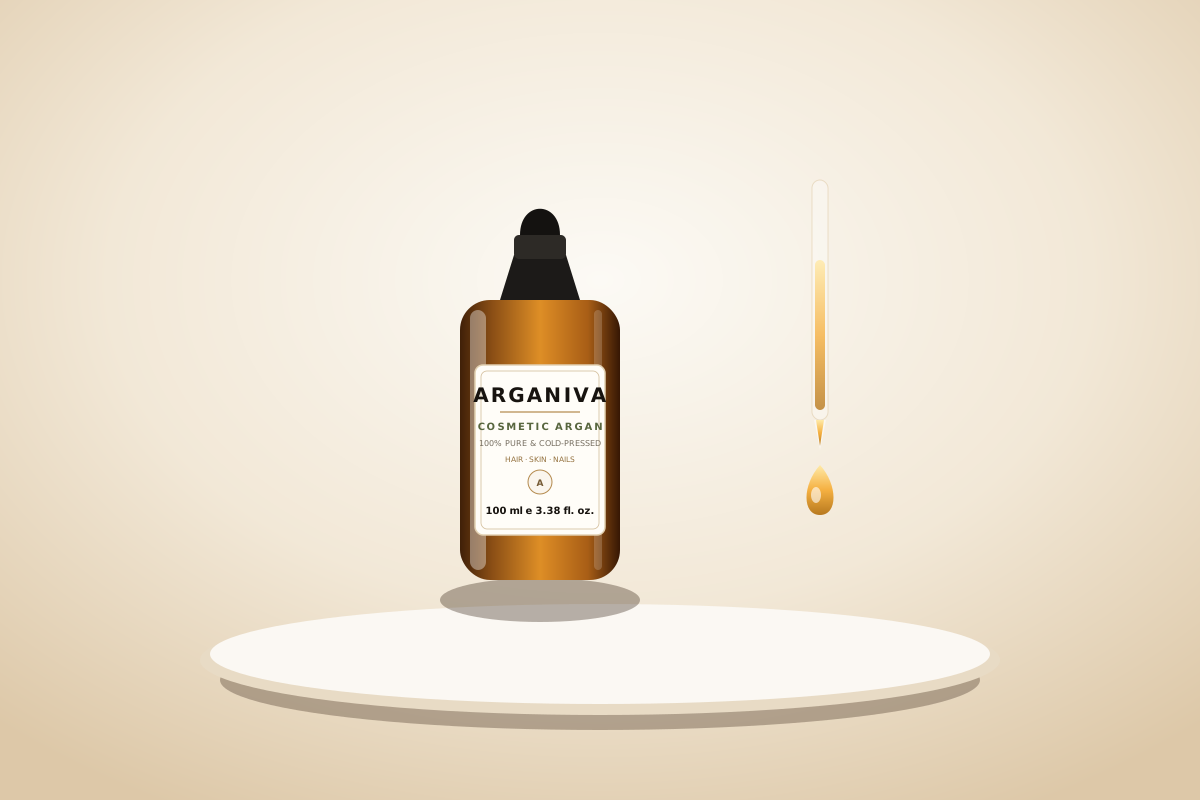
At ARGANIVA, our cosmetic argan oil is cold-pressed directly in southwestern Morocco’s Souss-Massa region, packaged pure in UV-protective dark bottles, and shipped fresh to ensure maximum botanical potency for your hair and skin.
Frequently Asked Questions
Is argan oil heavier than jojoba oil?
Slightly. Jojoba oil is a liquid wax ester that absorbs with a very light, almost powdery dry-touch finish. Argan oil is slightly richer and leaves a velvety, soft-cushion hydration on the skin, yet it still absorbs completely within minutes without greasiness.
Can I use jojoba oil in the morning and argan oil at night?
Yes, this is an excellent routine. Many people apply 2 drops of jojoba oil in the morning under sunscreen or makeup for sebum control and a matte finish, and apply 3 drops of pure argan oil at night for deep cellular recovery and antioxidant replenishment while sleeping.
Will argan oil or jojoba oil stain pillowcases or clothes?
Pure, unrefined argan oil and jojoba oil absorb quickly into skin and hair within 5 to 10 minutes. When applied in proper moderation (1 to 3 drops), they do not leave residue on linens.
Which oil has a longer shelf life?
Jojoba oil has an exceptionally long shelf life (up to 3–4 years) because wax esters do not oxidize easily. Pure cold-pressed argan oil has a healthy shelf life of 18 to 24 months when stored in a cool, dark place away from direct sunlight.
Frequently asked questions
Is argan oil or jojoba oil better for acne-prone skin?
Both are exceptional, but they work through different mechanisms. Jojoba oil is a liquid wax ester that closely mimics human sebum, helping dissolve hardened oil plugs and regulate excess sebum. Argan oil has a 0 comedogenic rating and contains high levels of linoleic acid and vitamin E to soothe active redness, heal the moisture barrier, and reduce post-blemish scarring.
Which oil is better for dry and mature skin?
Argan oil is generally superior for mature, dry, and aging skin because it is richer in essential fatty acids (Omega-6 and Omega-9), squalene, and potent antioxidant tocopherols (Vitamin E) that stimulate elasticity and cellular repair. Jojoba oil provides surface barrier protection but lacks argan's concentrated antioxidant density.
Can you mix argan oil and jojoba oil together?
Yes, they complement each other perfectly. A 50/50 blend combines jojoba's rapid sebum-balancing absorption with argan's deep antioxidant lipid nourishment. This makes a superb all-in-one daily face and beard serum.
Is jojoba oil actually an oil?
Technically, no. Jojoba oil is chemically a polyunsaturated liquid wax ester composed of long-chain fatty acids and fatty alcohols. This unique chemical structure matches approximately 25% of human sebum, which is why human skin readily accepts it.
Which is better for hair and scalp: argan oil or jojoba oil?
Jojoba oil is better for direct scalp application and unclogging hair follicles blocked by sebum. Argan oil is better for mid-lengths and ends to tame frizz, add luminous shine, improve elasticity, and protect strands from environmental heat and mechanical friction.
Related products
Related articles
Argan Oil vs Coconut Oil: The Complete Hair and Skin Comparison
Should you use argan oil or coconut oil? We break down the science of fatty acids, comedogenic ratings, porosity, and hair protein sensitivity so you choose the right oil for your routine.
How to Use Argan Oil for Skin
Argan oil fits into a skincare routine in a few specific spots — face, body, and nails — and it's worth patch-testing before you commit to any of them.
How to Use Argan Oil for Hair
A small amount goes a long way. Here's how argan oil is actually used on hair, and how much to apply where.
How to Choose Authentic Argan Oil
Argan oil is one of the more diluted products on the market. Here's a practical checklist for telling the real thing from a blend.