Argan oil
Cosmetic vs Culinary Argan Oil — What's the Difference?
Cosmetic and culinary argan oil come from the same tree but are made differently and used for different things. Here's how to tell them apart.
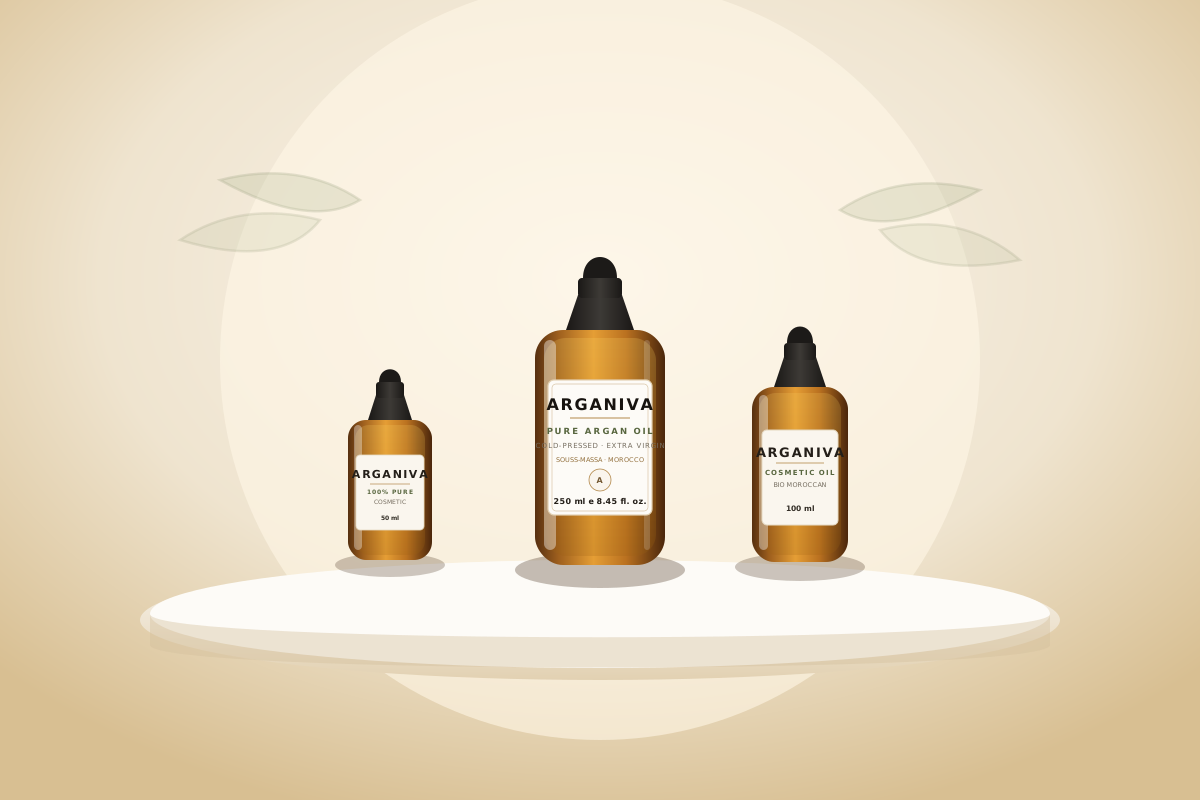
What’s the difference between cosmetic and culinary argan oil?
Cosmetic argan oil is pressed from raw, unroasted argan kernels and used on skin, hair, and nails. Culinary argan oil is pressed from roasted kernels, has a stronger toasted aroma, and is used in food. They come from the same tree, but they are not the same product and shouldn’t be swapped for one another.
Side-by-side comparison
| Cosmetic argan oil | Culinary argan oil | |
|---|---|---|
| Kernel preparation | Unroasted | Roasted |
| Appearance | Pale golden yellow | Darker amber to brown |
| Aroma | Light, faintly nutty | Toasted, pronounced nutty aroma |
| Typical packaging | Bottle with dropper or pump | Bottle, often used in the kitchen |
| Main uses | Hair, skin, nails | Amlou, bread, finishing dishes |
| Heat | Not applicable | Best used cold or lightly warmed, not for frying |
Why the production difference matters
Roasting the kernels before pressing isn’t just a flavor step — it changes the aroma and character of the resulting oil substantially. That’s why culinary argan oil, with its distinctive toasted smell, works well drizzled over food but would be an unusual choice for a skincare routine. Cosmetic argan oil’s lighter, more neutral profile is what makes it suitable for daily use on skin and hair without leaving a strong scent behind.
How each one is typically used
Cosmetic argan oil:
- Warmed between the palms and worked through hair, especially ends
- Massaged into skin, face or body
- Applied to nails and cuticles
Culinary argan oil:
- Blended with roasted almonds and honey to make amlou, a traditional Moroccan spread
- Drizzled over warm bread
- Used as a finishing oil over couscous or grilled vegetables, added at the end rather than during cooking
Which one should you buy?
If you’re after a skincare or hair product, cosmetic argan oil is what you want. If you’re bringing home a Moroccan cooking ingredient, or want to try making amlou yourself, culinary argan oil is the one. Many people order both — see our complete guide to Moroccan argan oil for the full picture.
Frequently asked questions
Can I cook with cosmetic argan oil?
It's not recommended. Cosmetic argan oil is intended for external use and isn't produced or labeled as a food product.
Can I put culinary argan oil on my skin?
It's not typically used cosmetically — its stronger, roasted aroma and different production process make it better suited to food than skincare.
How can I tell the two apart by looking at them?
Culinary argan oil is usually darker in color with a more pronounced, toasted smell. Cosmetic argan oil is lighter in color and has a milder scent. When in doubt, check the label.
Related products
Related articles
What Is Moroccan Argan Oil?
Argan oil comes from a single tree species that grows almost exclusively in one region of the world. Here's what that actually means for the oil you buy.
How to Use Argan Oil for Hair
A small amount goes a long way. Here's how argan oil is actually used on hair, and how much to apply where.
How to Cook with Culinary Argan Oil
Culinary argan oil isn't a cooking oil in the frying-pan sense — it's a finishing oil, built around a handful of traditional Moroccan uses that make the most of its toasted flavor.